
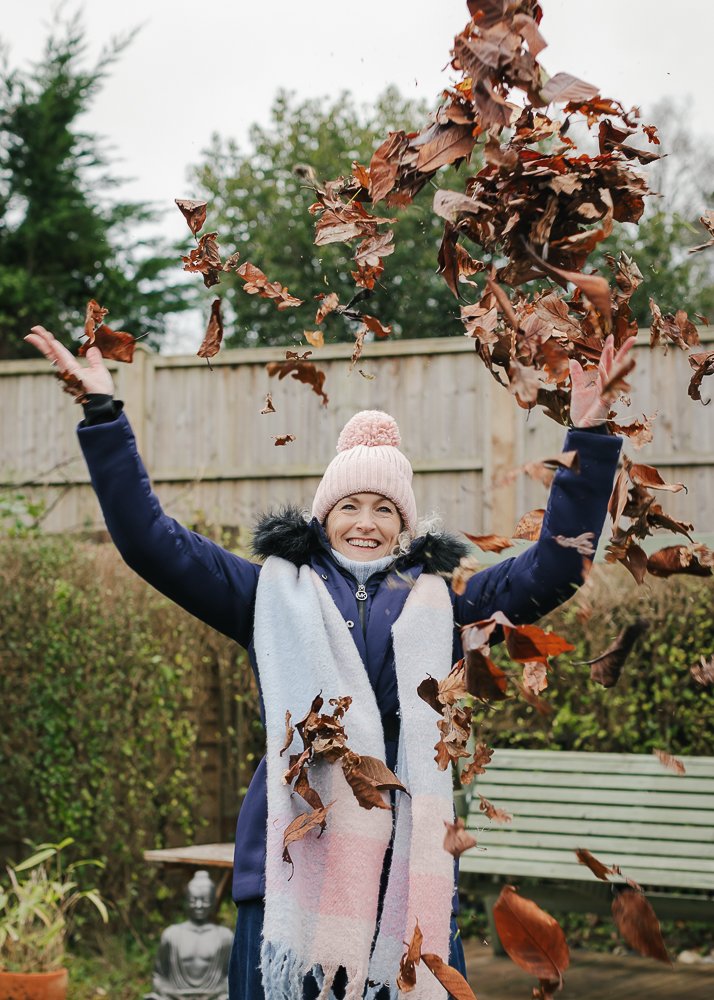
What dark evenings do to our minds
Every autumn, the clocks go back and the evenings close in. By late afternoon the light is draining out of the sky, the temperature drops, and something shifts in the mood of the room. Conversations turn to the cold, the dark and the long months ahead.
It is a very human reaction. But what is actually happening in our minds when the days shorten, and how much of it comes from the dark itself, rather than from the story we tell ourselves about it?

Confidence isn't something you achieve
Here's the foible: if your self-worth is pegged to your accomplishments, it can only ever be as stable as your last result. Miss the objective, get the rejection, have the day that doesn't land the way you hoped, and suddenly the whole structure wobbles, because the structure was never rooted in anything but performance.

Why summer burnout looks nothing like winter burnout
By now, the longest day has been and gone. The garden is full of growth, the diary is full of plans, and everyone around you seems to be operating at full throttle, barbecues, weddings, school holidays, "just popping over," the endless yes. And yet, if you're feeling frayed rather than fuelled, you're not imagining it. Summer burnout is real. It's just wearing a disguise

The season that asks too much
We are living in the most energetically abundant arc of the year. The days are long, the light is insistent, the social calendar fills up, the garden calls, the children are home, the school year ends, and somewhere beneath all of it, a bone-deep tiredness has been accumulating since January without anyone quite noticing.

How isolation happens so gradually, you don't notice
There was a time when your life felt full. Or at least fuller than it does now.
You cannot quite point to the moment things changed. That is the nature of it. There was no single decision, no dramatic falling out, no clear before and after. Just a slow, almost imperceptible drawing in, like the tide going out so gradually you do not realise the beach has expanded until you are standing somewhere very different from where you began.

Cooling the emotional fire
You are part of the turning year
Perhaps the deepest gift of seasonal living is the reminder it carries. You are not separate from the world you inhabit. The heat that rises in you between May and midsummer is the same fire that blazes in the sun, pulses through the hawthorn, and hums in the long grass. You are part of the same system, responding to the same forces.
This is not a problem to be solved, it is a rhythm to be understood and honoured.

What Spring teaches us about reinvention
Spring rarely announces itself loudly.
It arrives in subtle shifts. A lighter quality to the morning sky. Buds forming on bare branches long before any flower appears. Soil beginning to warm beneath the surface, quietly, invisibly. To the untrained eye, it can look as though nothing is happening at all. And yet, beneath the ground, everything is changing.
This is one of the things I find most compelling about this season. Spring does not rush. It does not force. It simply responds to conditions, moving forward when the time is right and resting when it is not.

How to stop feeling anxious
Anxiety is a natural human response, but when it becomes persistent, overwhelming, or starts shaping your daily life, it can feel exhausting and isolating. Anxiety often comes from trying to control the future, even though we can’t predict or manage everything ahead of us. This gap between what we want to control and what we actually can control fuels much of our anxiety.

How the lunar cycle may influence hormones and mood.
more deeply.
Whether or not the moon directly affects hormones, it undeniably shapes our environment, light, tides, sleep, mood, and many people feel these shifts in their bodies.
By paying attention to your internal patterns and aligning your self‑care with the lunar cycle, you create a powerful way to regulate your moods, support your emotional health, and live with greater intention and flow.

How to recognise, manage, or leave a toxic relationship
Unhealthy, toxic, or controlling relationships leave deep emotional imprints that can show up as anxiety, low self‑esteem, perpetual people‑pleasing, or a lingering sense that you can’t trust your own judgment. These effects don’t always show up immediately; they often emerge slowly, long after the relationship has begun or even after it’s ended.

Emotional safety and the foundation of healing and healthy relationships
Emotional safety is one of those concepts that sounds simple, yet quietly shapes every relationship we have, with others, and with ourselves. Many people can recognise when something feels wrong, but far fewer can name what safe actually feels like.

Escaping the cycle of pain, physical symptoms, and unresolved trauma
Many people arrive here not because they are looking for “another therapy”, but because they are looking for understanding.
They’ve tried treatments.
They’ve followed protocols.
They’ve been told tests are “normal” - yet their body keeps calling for attention.
Pain persists.
Digestion feels unpredictable.
Fatigue, anxiety, inflammation, or autoimmune symptoms come and go.
And somewhere beneath it all, there’s a quiet sense that something unresolved is still driving the system.
You’re not imagining it, and you’re not broken.

Body shaming
Body shaming involves criticising, mocking, or making negative remarks about someone’s physical appearance, weight, size, or lifestyle choices.
Body shaming is never acceptable. It perpetuates harm and reinforces toxic societal norms. Instead of tearing others down, we can choose compassion, understanding, and respect. Every body tells a story, and every person deserves dignity.

How to find yourself when you realise you’ve become truly lost
We all reach moments in life when we suddenly realise: I don’t know who I am anymore.
Maybe you’ve been living on autopilot, pleasing others, meeting expectations, keeping peace, until one day, you look in the mirror and barely recognise the person staring back.

Toxic relationship recovery and rediscovering yourself
Toxic relationships can leave us feeling hollow, fragmented, and uncertain about who we really are. They erode confidence, diminish self-worth, and can lead to a frightening realisation: somewhere along the way, you have lost touch with yourself.

Healthy communication is understanding, not winning
Learn what healthy communication really means, how to listen to understand, embrace different perspectives, and build stronger, more respectful connections.

Why perfectionism can steal the joy of life
Perfectionism demands flawlessness at all costs. It tells you that a 97% on an exam is failure. It whispers in the background that nothing is ever good enough, not even you. It rejects growth in favour of unrealistic ideals. And it never lets you rest.

The double-edged sword of perfectionism
At its heart, perfectionism demands an unattainable standard—one that is not only unrealistic but can also stunt true growth and contentment. While striving for excellence is a worthy pursuit, the compulsive need to achieve flawlessness in every endeavour traps individuals in an endless cycle of self-criticism and disappointment. What may start as motivation to do one’s best often mutates into an all-consuming force, leaving little room for self-acceptance or satisfaction in one’s achievements.

Cultivating abundance in your mind, body & gut
Shifting from scarcity to abundance in your mindset, movement, and nutrition takes practice, but the rewards are transformative. By embracing abundance, you invite more joy, health, and resilience into your life. Start small, be consistent, and watch how your world expands when you choose abundance over limitation.